
What's the Best Workout for Abs? We Tested the Science Behind It
Ask ten people how to get visible abs and you'll get ten different answers. Endless crunches. Ab rollers. Planks held until your arms shake. Some form of "just do cardio" thrown in for good measure. The truth is that most of the advice floating around about ab training is either outdated, incomplete, or based on how an exercise feels rather than what it actually does to your muscles. So we went back to what the research and biomechanics actually say about training your core, and built a workout around it - not around whatever trend happens to be popular this month.
This article breaks down what actually builds a strong, visible core, which exercises are genuinely worth your time, which popular ones are mostly wasted effort, and how ab training fits into a broader fitness plan. If you're also working on your overall conditioning, this pairs well with a 30-Minute Full Body Workout for Days You Have Zero Time on busy days, or a full Calisthenics Workout Plan That Doesn't Need a Gym Membership if you're building strength from home.
The Biggest Myth: Spot Reduction
Before getting into exercises, it's worth addressing the elephant in the room. No amount of crunches, no ab machine, and no "20-minute ab blast" will burn fat specifically off your stomach. This idea, known as spot reduction, has been tested repeatedly, and the science is consistent: your body decides where it burns fat based on genetics and overall hormonal factors, not based on which muscle you're currently training. You can do a thousand crunches a day and still not see visible abs if there's a layer of fat sitting over the muscle.
This doesn't mean ab training is pointless - far from it. It means visible abs are the result of two separate things happening together: a strong, developed core underneath, and a low enough body fat percentage for that muscle to actually show through the skin. Training builds the first part. Nutrition and overall calorie balance handle the second. A workout plan alone, no matter how good, can't fix a diet that isn't supporting fat loss.
What "Core" Actually Means
Most people think of abs as just the front-facing muscle that creates the visible six-pack look, known as the rectus abdominis. But your core is a much bigger, more integrated system than that single muscle. It includes your obliques on the sides of your torso, which handle rotation and lateral bending. It includes your transverse abdominis, a deep stabilizing muscle that wraps around your midsection like a natural weight belt. It includes your lower back muscles, which work in tandem with your abs to keep your spine stable. And it even includes your glutes and hips to some degree, since core stability is really about controlling movement through your entire midsection, not just flexing one muscle forward.
This matters because a workout that only trains the rectus abdominis with repeated crunches is only addressing a fraction of what your core actually does. A genuinely effective ab workout trains flexion, rotation, anti-rotation, and stability, not just one narrow movement pattern repeated over and over.
The Exercises That Actually Hold Up
After sorting through what the research on muscle activation and movement quality actually supports, a handful of exercises consistently stand out as worth prioritizing.
Planks and their variations:
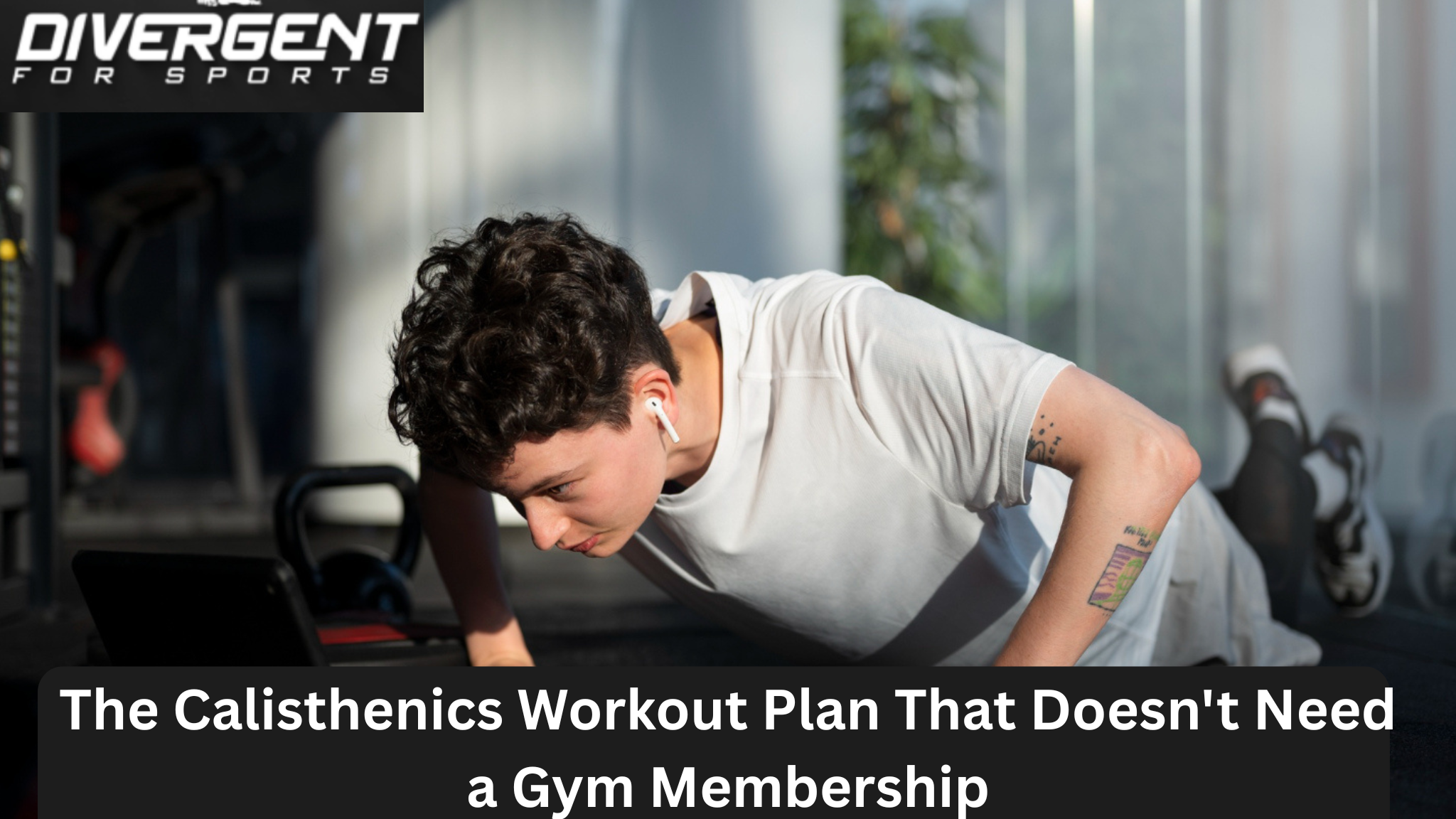
Remain one of the most efficient core exercises available, because they train your entire midsection to resist movement rather than create it, which is closer to how your core actually functions in daily life and sport. A front plank, a side plank, and a plank with shoulder taps each hit slightly different parts of your core while reinforcing the same fundamental stability.
Hanging leg raises:
Performed from a pull-up bar, are one of the most demanding and effective exercises for your lower abs and hip flexors, engaging your entire rectus abdominis through a full range of motion that a seated crunch simply can't match.
Cable or band woodchoppers
Which involve rotating your torso against resistance, directly train the rotational strength that your obliques are actually built for, rather than the static side bends many people default to.
Hollow body holds
A staple borrowed from gymnastics, build serious core tension and control by forcing your entire midsection to stay engaged while your limbs are extended away from your body, making it one of the more transferable core exercises for athletic performance.
Dead bugs
Which look deceptively simple, are excellent for training core stability while your limbs move independently - a skill that turns out to matter far more for real-world strength and injury prevention than most people realize.
The Exercises That Are Mostly Overrated
Standard crunches, while not useless, are far less efficient than most of the exercises above. They train a very limited range of motion, put repetitive stress on your spine, and tend to recruit your hip flexors more than people intend. Ab rollers and ab machines marketed on late-night infomercials generally aren't harmful, but they rarely outperform simpler bodyweight movements like planks and hanging leg raises, despite the premium price tag.
And endless sets of side bends with a dumbbell, often done in hopes of "slimming the waist," don't reduce fat around your midsection and, more importantly, aren't a particularly effective way to build oblique strength compared to rotational movements.
A Sample Ab Workout Backed by This Research
This routine can be done two to three times per week, either as a standalone 15-minute session or tacked onto the end of a full-body workout like the ones in our [Calisthenics Workout Plan That Doesn't Need a Gym Membership].
Perform each exercise for 30–40 seconds, resting 15 seconds between movements, and complete three total rounds.
Start with a front plank, focusing on keeping your hips level and your core braced rather than sagging. Move into hanging leg raises if you have access to a bar, or lying leg raises if you don't, keeping your lower back pressed into the floor. Follow this with a side plank on each side, holding steady rather than letting your hips drop.
Add in dead bugs, moving slowly and keeping your lower back flat against the floor throughout. Include a rotational movement like a standing band woodchop or a bodyweight Russian twist, prioritizing controlled rotation over speed. Finish with a hollow body hold, which tends to be the most demanding exercise in the sequence and is often best placed last.
Why Ab Training Alone Won't Get You There
It's worth repeating: the workout is only half the picture. If your goal is visible abs rather than just a stronger core, your nutrition and overall body composition matter just as much, if not more. Strength training for your whole body - not just your abs - also plays a bigger role than most people expect, since building overall muscle mass raises your metabolic rate and supports the kind of gradual fat loss that eventually reveals the muscle you've built underneath. This is one of the reasons a well-rounded plan, like the full-body sessions covered in our Calisthenics Workout Plan, tends to outperform an ab-only routine for people actually chasing a visible six-pack.
The Bottom Line
The best ab workout isn't the one that burns the most or leaves you the most sore - it's the one built around exercises that actually train your core the way it's designed to function: bracing, rotating, and stabilizing, not just flexing forward. Combine that with a broader strength routine and consistent nutrition, and you'll get far closer to the results most people are actually chasing than any 20-minute ab blast ever will.
Train Smarter With Divergent for Sports
At Divergent for Sports, our coaches build core training into every program the right way - grounded in what actually works, not what trends on social media. Whether your goal is a stronger midsection, better athletic performance, or a visible six-pack, we design science-backed programs with progress tracking, video demos, and ongoing support, all built around your schedule and goals.
Be different. Train different. Perform better. That's the Divergent way.


Leave a comment
This site is protected by hCaptcha and the hCaptcha Privacy Policy and Terms of Service apply.